Remodeling Project Budgets and Timelines

Annemarie Diaz, UDCP, REALTOR • February 27, 2024

How much will my project cost? And how long will it take to complete?

Probably the two questions we get asked most as our clients embark on their remodeling journey. Whether you have done many home projects in the past or are moving slowly but surely into your first remodel or home addition, the experience can be both exciting and daunting.


At TRS Build, we understand the importance of clear budgeting and realistic timelines in ensuring a smooth and successful project. In this blog we'll walk you through our approach to setting budgets and timelines, providing you with added confidence that your remodeling dreams can become reality.

Budgeting and Project Pricing

Accurate budgeting and timeline forecasting are two of the cornerstones of a well-executed remodeling project, setting clear expectations and helping avoid unwelcome surprises along the way. At TRS Build, we prioritize transparency and communication in all of our processes, including budgeting and forecasting. 


  • Personalized Consultation

Our journey begins with an in-home consultation to understand your vision, goals, and aesthetic. At this point we can provide general input on timelines to complete design (architectural design, engineering design, and interior design), permitting, and construction phases.


  • Transparent Pricing

As a next step we provide a comprehensive and transparent breakdown of costs for all of the improvements you are considering, from which we can have a discussion around your budget and priorities. This collaborative approach helps us to help our clients to align their vision and needs with a budget that can work for them.


  • Communication

Throughout the design phase our team will offer options to optimize improvements within a given budget. This may mean providing options for materials, floor plans, and overall project scope, focusing on the goals and needs that drive the vision for your project.


When working to alter an existing home, we all know that there may be surprises along the way. We focus on communicating with honesty and integrity while providing our clients with the information they need to make informed decisions, and provide options to minimize disruption to project budget, timeline and aesthetic. We are encouraged every day by the thanks we get from our clients for the level of support our team members provide throughout the project. Thank you! 


  • What can the homeowner do?

A very important question many of our clients ask - what can they do to minimize changes to budget?


The biggest lever a homeowner has is to stick with the design, thus minimizing change requests. It is natural that as a project is built, as the homeowner sees their vision coming to life, there is a temptation to use a different color, select a different tile, adjust the plan for lighting, or even make a modification to the floor or roof plan. Any of these can be done, however, these change impact design, budget, and timeline as well. Many homeowners don't realize that even a "simple" change may require additional work on the part of many people on our team including the designer, project manager, and procurement, as well as trades and product providers.


Our ultimate goal is to achieve for our clients the outcome they are seeking, thus all changes are possible.  At the same time, any change needs to be documented, planned and priced, and can add to budget and cause delays. 
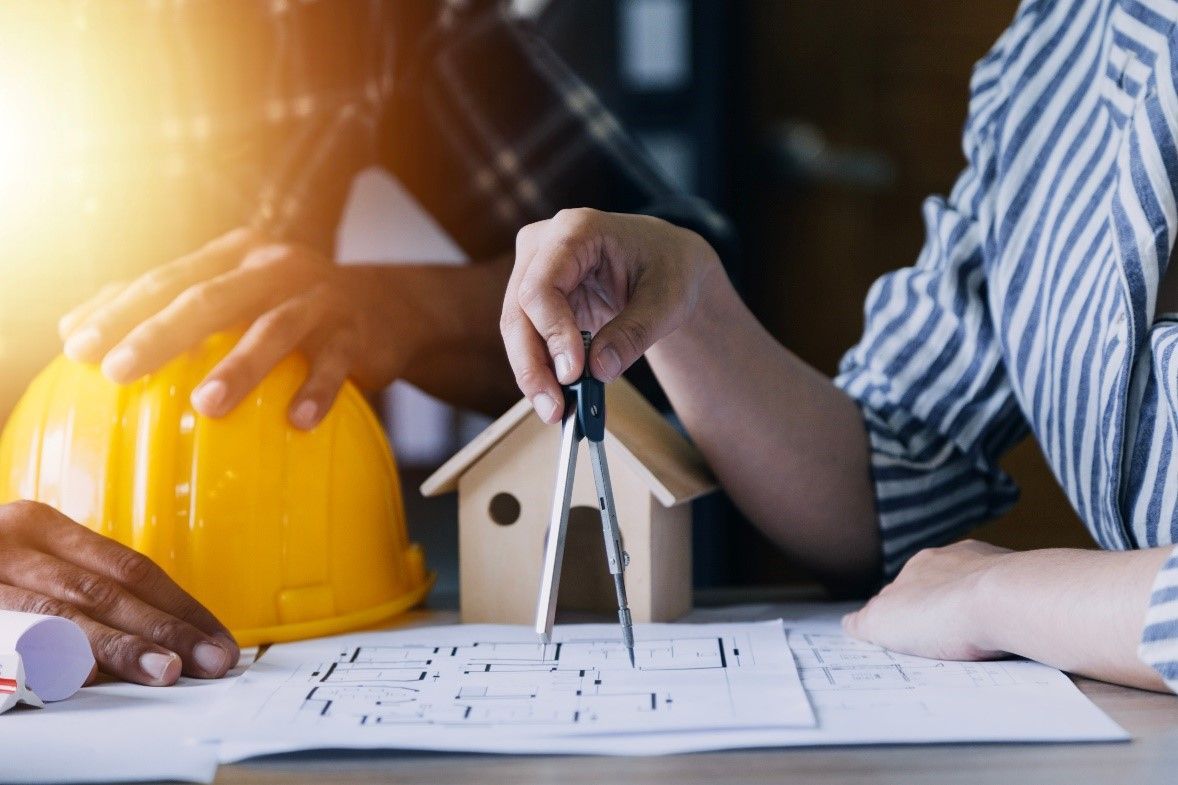

So, how long will it take? 

How long a project takes depends greatly on the project scope. Below are some general timelines for each project phase.


  • Design:

Architectural and Interior Design for a remodel of a single room (a primary bathroom or kitchen) typically takes from 6 weeks to 3 months depending on the size and level of complexity of the project. For a large home addition, Architectural design may be expected to take 2-3 months, and Interior Design an additional 4-6 weeks to complete and document material selections, styles, patterns and finishes, however portions of the Interior Design may be done simultaneously with Architectural Design, Engineering and/or Permitting.


  • Engineering: 

Engineering Design typically takes an additional 6 weeks after completing Architectural design.  A registered Professional Engineer will visit the site, review the Architectural Design, and provide a structural and foundation design that complies with codes and has been prepared according to good engineering design practices. During the Constuction Phase, the Engineer will also inspect the foundation and framing to ensure it has been constructed according to the Engineering Design.


  • Permitting:

In most jurisdictions, a permit application will not be accepted until after all plans including the Engineering Design are complete. The permit application will initially go through an administrative review which takes about 1 week. During this review, City staff will verify that all plans, forms, and other documentation are included with the application, verifying that the application is complete.  After passing administrative review there will be longer and more rigorous technical review to ensure the project (as documented in the plan set) will comply with all local codes, ordinances and regulations. The timeline for Permit Phase of a project is highly dependent on jurisdiction, with Austin having the longest timelines (up to 4 months for a home addition; or 6 weeks for an interior remodel) and cities like Round Rock and Pflugerville having some of the shortest timelines (ranging from 2 to 4 weeks). 


  • Construction:

The Construction Phase can be as short as 8 weeks for a one room remodel, to a year for a larger home addition which usually will also include some amount of remodeling to the existing space as well. Depending on the project and the jurisdiction, there can be anywhere from 4 to 24 City inspections during the project, as well as the Engineer inspections. Prior to an inspection the team will stop work as need to ensure areas that need to be inspected are sufficiently exposed, await inspection, and continue work after the inspection is complete.


A common question we received is "Can I live in my home during construction?"  For a one room remodel typically yes, the homeowner may remain living in the home, though for larger spaces (like a large kitchen gut and remodel) it may be more comfortable to be out of the home at least during demolition. Where the entire home is being remodeled, in most cases the homeowner cannot live in the home for the majority of the project, thus relocating expenses must be considered when planning overall project budget. For home additions - when adding on to exterior space (land) the homeowner most often can live in the home during the project. Where adding a second story, the homeowner may need to be out of the home for the majority of the project depending on what areas of the home are affected during the remodel.


(continued below)

  • Warranty:

Last but not least, is the Warranty Phase. TRS Build (like most home builders and remodelers) provides a one-year warranty on materials and labor. Clients can easily reach us with any warranty requests through our webform or by contacting any team member they worked with during the project.


Thank you to all of the clients that have worked with us through the years, have shared your homes and your dreams with us, and have allowed us to help make them come true. We are happy to say that in 2023 over 70% of our business came from referrals and returning clients. We look forward to working with you again in the future!
Contact us
By Annemarie Diaz January 23, 2026
While this is one of the most common questions we hear, the reality is that design is very personal. Our recommendation is to look to trends for inspiration, but make your final decisions based on what feels right for you and your home. You will be living in your home - and with your design decisions - for a long time! We can help to make sure every decision results in a function and form that is right for you, without being wrong for the many other people you share your home with. That said - here is what we see trending for 2026! We see 2026 continuing in the vein of resetting and simplifying, while focusing on making homes feel better to live in , more personal, authentic, functional, and supportive of real life. Across the board, we love the move toward timeless foundational elements with elevated details , combined with layouts that flex for entertaining, working, a quiet coffee with a book, and can support aging in place and multigenerational living. Below are the six of our favorite 2026 home design trends and how to use them in a kitchen remodel, bathroom remodel, whole-home renovation, addition or new construction, with practical guidance to help you get excited about what’s possible in 2026. Are you ready? Let’s go! 1) Warm minimalism overtakes cold minimalism In 2026, minimalism is still here, but it’s softened with warmth , texture, and comfort. Think warmer whites, soft greiges, earthy mid-tones , and natural materials that make a space feel inviting, not untouchable. TRS Build tip: If you want a home that still feels bright and clean without being “clinical,” you can still use a warmer white wall tone (think Alabaster or Aesthetic White) and layer in medium wood , stone , and aged metals .
By Annemarie Diaz December 29, 2025
As the year winds down, you may be thinking to yourself: “I know I would like to do our remodel project in the coming year… but where do I even start?” If that’s you, you’re not alone. At TRS Build, this is one of the most common questions we hear from homeowners who feel overwhelmed at the idea of remodeling their home, and it’s why we’re making this the second topic in our FAQ blog series. Think of this as your 2026 Remodeling Checklist , a simple, step-by-step way to move from “I’ve been thinking about it” to “We’re really doing this!” Read more below, or scroll to the bottom to download your PDF quick resource sheet ! Step 1: Clarify Your “Why” Before you look at tile samples or start scrolling on Pinterest, get clear on why you want to remodel. Ask yourself: What isn’t working in your home today? What feels too small, too dark, or not functional? What would make everyday life and/or special occasions easier or more enjoyable? What improvements could make you proud to have family and friends over to your home? Some common why's we hear form our clients include: We need more space when parents, children, or grandchildren come to visit I've been working from home for years and need a more private office space I don't enjoy having guests over because my home is outdated and I don't have a nice outdoor area We love our neighborhood, but we hate our kitchen We want to be able to age in place and need all spaces in our home to be easy to access, navigate, and use We want our home to encourage connection with our kids and neighbors Our home is too dark, we wanting to change the overall feel to be lighter, brighter, serene or adventurous Write your reasons down, consider starting a notebook or shared electronic file. Your list could become your north star when making design and budget decisions later. (Note that for couples thinking of embarking on a remodel together - don’t be surprised if you each have a different "why." No worries! We can work with you to find options that ensure everyone’s needs are met.) Step 2: Decide on Spaces and Priorities Next, think about which areas of your home should be addressed first . You don’t have to do everything at once (unless you want to). Common starting points: Kitchen remodel : the heart of the home, and often the space that impacts daily life the most. Primary suite : update your main bedroom + primary bathroom + closet to create a true retreat. Bathrooms : updating dated finishes, improving and/or expanding the layout, getting rid of the rub for a larger walk in shower. Living & dining areas : opening up walls, adding light, improving flow. Home addition : adding square footage for a guest suite, office, playroom, or larger kitchen. Decide: Must-do for 2026 , what can’t wait? Nice-to-have , what could be part of a phase 2 in the future? Having a phased mindset helps you plan realistically without losing sight of the bigger vision. This is another area where having a firm skilled in home design and construction by your side may be just what you need to help you think through options for what can be done in a future phase, and where you can find economies of scope when doing certain aspects of the project together. Step 3: Get Comfortable With a Budget Range You don’t need an exact number right away, but you do need a comfort zone . Think about: How much are you willing to invest in your home in 2026? Would you use using savings, home equity, financing, or other resources? What feels comfortable for you and your family? A design–build firm like TRS Build will help you understand how scope, selections, and structural changes influence your budget. When we talk with homeowners, we walk through: The spaces you want to remodel Whether you’re keeping the same footprint or changing walls The level of finishes you’re hoping for (good, better, best) Throughout our process, our goal is to align your vision, scope, and budget early, and provide the insights and guidance you need to make informed decisions in all of these areas. Step 4: Think About Timing (Life Timing, Not Just Calendar Dates) Remodeling isn’t just about construction schedules, it’s about your life timing. Consider: Do you want the project finished before a big event (graduation, new baby, retirement, holidays, long-term guests)? Are there months when construction would be especially stressful (busy sports seasons, major work deadlines)? Are you hoping to be living in the home during construction , or are you willing and able to be away for all or part of it? Most remodeling projects involve several phases (Discovery/Design/Permitting), several of which need to be completed before the first hammer swings. Together, these Pre-Construction activities will take several months before the work on the ground takes place. Getting started early on Discovery and Design means you’re more likely to hit the timing that matters most to you. Step 5: Gather Inspiration (But Make It Practical) Yes, this is the fun part: saving photos, pinning ideas, and dreaming a little. You can peruse our project galleries for inspiration for your Kitchen or Bath Remodel, Whole Home Transformation , Deck, Patio and Outdoor Kitchen , or new Custom Home or Addition . As you collect inspiration, note: What you like about each image (color palette, layout, cabinetry style, lighting, tile, etc.) How you want the space to feel (cozy, bright, minimal, warm, sophisticated…) Any must-have features (large island with seating, walk-in shower, freestanding tub, built-in storage, mudroom, etc.) What is your overall budget - we work with our clients to help balance inspiration with investment. As you share photos to help us understand what you love, we’ll discuss which elements are budget-friendly and which may require adjustments or alternatives. Some people are able to think through all of these on their own, whereas others really need the help of a Designer to help them define their goals. A good Designer will help you translate what you’re drawn to into realistic, buildable plans that fit with your home’s architecture and your budget. Step 6: Choose the Right Team When starting to reach out to professionals about your project, it is helpful if you can provide: Your goals and “must haves” A list of the spaces you want to remodel or expand A budget range and priorities for the project A sense for the timeline you would like to meet You don’t need all the answers before you reach out to us, we can help you think through, clarify, and specify any of these items as well. Ready to Make 2026 the Year You Love Your Home Again? If you’ve been thinking about remodeling for a while, this might be the sign you’ve been waiting for. Whether you’re dreaming of: A new casita, garage or custom home A brighter, more open kitchen A whole home refresh An addition that finally gives you the space you need Or a spa-like primary bath We at TRS Build are here to walk you through every step, from that very first “Where do I start?” to the moment you walk into your finished space. Contact us and choose from a virtual or in-home consultation today, and let us help you envision your dream home for 2026, and then make it a reality!
By Annemarie Diaz November 14, 2025
Welcome to the first blog in our new Frequently Asked Questions (FAQ) blog series! One of the first questions many homeowners are thinking of when considering a remodel or home addition is: “How much will my project cost?” It’s a fair question - remodeling can be a significant investment, a financial investment as well as a temporal and emotional one. At TRS Build, we know that transparency in pricing is essential to building trust and creating a smooth process from the very beginning. With over 10 years of experience remodeling homes in Austin, Georgetown, and across Central Texas , we’ve enjoyed guiding hundreds of homeowners through the budgeting and planning process. This blog will give you a few guidelines to help set expectations on what projects typically cost, as well as the variables that impact pricing for a home remodel.