When to Move and When to Consider an Addition

Annemarie Diaz • April 21, 2023

Home is where the heart is, but over time a family’s changing needs may require something more than just an interior remodel.

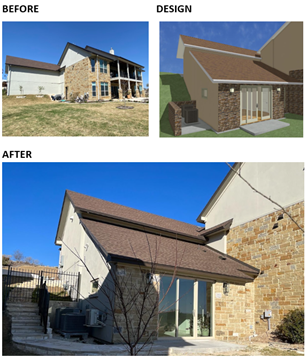
Perhaps a family has grown and desperately needs more space. We work with many families who are growing with more children, young adults coming back to the home after college, and more and more people are choosing to care for their aging parents in the home. We love working with growing families, helping to plan a new space for them, and working to understand their particular needs and how to meet those needs within their desired budget. An extra bedroom or en suite may be required to care for another loved one full-time, or a multipurpose space that can be used as a temporary guest room. Some homes offer the opportunity to build into unused attic space to create a new bedroom, bathroom, or both. Also taking advantage of outdoor spaces by enclosing patios, and/or creating a new patio or deck that can serve as a gathering space for family and friends. Tastes and trends change as well, and in an ever-fickle real estate market where a home transaction consumes 10% or more of the property value, a home addition may be the best option for creating the features you need in your existing home, and an asset to selling a home in the future.


Whenever thinking of adding onto the home, be sure to invest in design services that will enable you to envision both interior and exterior views, with files that can be transferred to a licensed engineer to provide the structural plans.

So, when do homeowners consider when to move or when to consider an addition? Here are a few things we typically discuss with our clients who are wrestling with that decision.

Home Addition Basics


Home additions range from the functional to the luxurious — and can encompass both. It can be as simple as an extra room, or perhaps a sunroom attached to an extra living room that doubles as a space for guests with a new bathroom as well.


They often not only increase square footage and everyday functionality, but they also property value as well. Just like with a home interior remodel, we always recommend to our clients that if you are thinking of selling a few years down the road, make your upgrades now so that you can enjoy them and also get the added value in your future sales price.

Of course, costs vary wildly for home additions. For instance, adding a deck or basic patio may be done for under $20,000, but an entire suite with a bathroom and bedroom can be upwards of $100,000 depending on size, features, and ease of integrating with existing systems in the home.

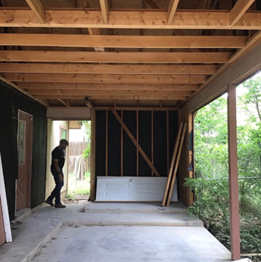
We work with many homeowners who are looking to take advantage of an existing carport, garage, or attic space. These can be great options, bearing in mind what may be given up.
When to go with an Addition

Home additions are often worth the financial investment, but there are several particular reasons why they can be so advantageous.

The main reasons we find homeowners choosing to invest in an addition are because they love the neighborhood, they don’t want to uproot their kids from their school, and/or they have significant equity in the home. Also, a property transaction carries a cost of not less than 10% of the value of the home, for a $500,000 home that means the transaction cost along of selling one home and purchasing another is typically not less than $50,000. Not to mention the time, effort and expense involved in the moving process.

Depending on the current state of the real estate market in a homeowner’s area, it may make better financial sense to go with an addition over putting a home on the market and entering a potentially challenging search for a new place.

An addition also ensures that a homeowner will get exactly what they want, something that rarely happens during the search for a new home. The design, style, and functionality of the space are custom built and entirely tailored to what the owners desire.

It ensures that a specific need will be addressed, which may not occur when deciding to find a “better place somewhere else”. For example, there’s no guarantee that the best option for a new home will have a sunroom, an en suite bathroom, or a deck. However, all of those can be added to an existing home rather easily and relatively quickly.

Overall, it is usually less expensive to invest in an addition to a current home rather than to find or build a new home.
When to Move

Deciding to move is generally a more significant life decision than adding on to an existing home.

While homeowners must consider their budget, they should also ask themselves important questions, such as whether they believe a new home can lead to a better way of life, if they are up for overseeing a renovation or putting the work into a new home, and whether their personal tastes will be reflected in moving to a new home.

An addition may not be worth the investment if the primary goal is relocating to a different location or if personal style isn’t a factor. Certain communities have strict zoning and planning regulations that can make an addition more of a challenge.

Going with an addition could also greatly reduce the property’s usable outdoor space or acreage. By moving, one does not have to worry about living in a construction site for a potentially long amount of time or dealing with contractors.

When it comes down to it, a home addition usually offers more flexibility and potentially faster results, the benefits of staying in one’s existing area, ensuring that one’s personal needs will be met and aesthetic reflected in the home, and avoiding the time, hassle and expense of moving.

Moving means spending more money and accepting that one won’t necessarily get what they want in a space. Even then, there is always a certain appeal to embracing a brand-new environment.

The bottom line: The choice is highly personal, and with the various pros and cons for each option, it pays off to take the time to thoroughly determine which makes the most sense at the time. 

See more of portfolio of custom home and home addition projects
here, and contact us if you are interested in learning more about opportunities to improve your home value and functionality with a home addition or accessory building!
By Annemarie Diaz January 23, 2026
While this is one of the most common questions we hear, the reality is that design is very personal. Our recommendation is to look to trends for inspiration, but make your final decisions based on what feels right for you and your home. You will be living in your home - and with your design decisions - for a long time! We can help to make sure every decision results in a function and form that is right for you, without being wrong for the many other people you share your home with. That said - here is what we see trending for 2026! We see 2026 continuing in the vein of resetting and simplifying, while focusing on making homes feel better to live in , more personal, authentic, functional, and supportive of real life. Across the board, we love the move toward timeless foundational elements with elevated details , combined with layouts that flex for entertaining, working, a quiet coffee with a book, and can support aging in place and multigenerational living. Below are the six of our favorite 2026 home design trends and how to use them in a kitchen remodel, bathroom remodel, whole-home renovation, addition or new construction, with practical guidance to help you get excited about what’s possible in 2026. Are you ready? Let’s go! 1) Warm minimalism overtakes cold minimalism In 2026, minimalism is still here, but it’s softened with warmth , texture, and comfort. Think warmer whites, soft greiges, earthy mid-tones , and natural materials that make a space feel inviting, not untouchable. TRS Build tip: If you want a home that still feels bright and clean without being “clinical,” you can still use a warmer white wall tone (think Alabaster or Aesthetic White) and layer in medium wood , stone , and aged metals .
By Annemarie Diaz December 29, 2025
As the year winds down, you may be thinking to yourself: “I know I would like to do our remodel project in the coming year… but where do I even start?” If that’s you, you’re not alone. At TRS Build, this is one of the most common questions we hear from homeowners who feel overwhelmed at the idea of remodeling their home, and it’s why we’re making this the second topic in our FAQ blog series. Think of this as your 2026 Remodeling Checklist , a simple, step-by-step way to move from “I’ve been thinking about it” to “We’re really doing this!” Read more below, or scroll to the bottom to download your PDF quick resource sheet ! Step 1: Clarify Your “Why” Before you look at tile samples or start scrolling on Pinterest, get clear on why you want to remodel. Ask yourself: What isn’t working in your home today? What feels too small, too dark, or not functional? What would make everyday life and/or special occasions easier or more enjoyable? What improvements could make you proud to have family and friends over to your home? Some common why's we hear form our clients include: We need more space when parents, children, or grandchildren come to visit I've been working from home for years and need a more private office space I don't enjoy having guests over because my home is outdated and I don't have a nice outdoor area We love our neighborhood, but we hate our kitchen We want to be able to age in place and need all spaces in our home to be easy to access, navigate, and use We want our home to encourage connection with our kids and neighbors Our home is too dark, we wanting to change the overall feel to be lighter, brighter, serene or adventurous Write your reasons down, consider starting a notebook or shared electronic file. Your list could become your north star when making design and budget decisions later. (Note that for couples thinking of embarking on a remodel together - don’t be surprised if you each have a different "why." No worries! We can work with you to find options that ensure everyone’s needs are met.) Step 2: Decide on Spaces and Priorities Next, think about which areas of your home should be addressed first . You don’t have to do everything at once (unless you want to). Common starting points: Kitchen remodel : the heart of the home, and often the space that impacts daily life the most. Primary suite : update your main bedroom + primary bathroom + closet to create a true retreat. Bathrooms : updating dated finishes, improving and/or expanding the layout, getting rid of the rub for a larger walk in shower. Living & dining areas : opening up walls, adding light, improving flow. Home addition : adding square footage for a guest suite, office, playroom, or larger kitchen. Decide: Must-do for 2026 , what can’t wait? Nice-to-have , what could be part of a phase 2 in the future? Having a phased mindset helps you plan realistically without losing sight of the bigger vision. This is another area where having a firm skilled in home design and construction by your side may be just what you need to help you think through options for what can be done in a future phase, and where you can find economies of scope when doing certain aspects of the project together. Step 3: Get Comfortable With a Budget Range You don’t need an exact number right away, but you do need a comfort zone . Think about: How much are you willing to invest in your home in 2026? Would you use using savings, home equity, financing, or other resources? What feels comfortable for you and your family? A design–build firm like TRS Build will help you understand how scope, selections, and structural changes influence your budget. When we talk with homeowners, we walk through: The spaces you want to remodel Whether you’re keeping the same footprint or changing walls The level of finishes you’re hoping for (good, better, best) Throughout our process, our goal is to align your vision, scope, and budget early, and provide the insights and guidance you need to make informed decisions in all of these areas. Step 4: Think About Timing (Life Timing, Not Just Calendar Dates) Remodeling isn’t just about construction schedules, it’s about your life timing. Consider: Do you want the project finished before a big event (graduation, new baby, retirement, holidays, long-term guests)? Are there months when construction would be especially stressful (busy sports seasons, major work deadlines)? Are you hoping to be living in the home during construction , or are you willing and able to be away for all or part of it? Most remodeling projects involve several phases (Discovery/Design/Permitting), several of which need to be completed before the first hammer swings. Together, these Pre-Construction activities will take several months before the work on the ground takes place. Getting started early on Discovery and Design means you’re more likely to hit the timing that matters most to you. Step 5: Gather Inspiration (But Make It Practical) Yes, this is the fun part: saving photos, pinning ideas, and dreaming a little. You can peruse our project galleries for inspiration for your Kitchen or Bath Remodel, Whole Home Transformation , Deck, Patio and Outdoor Kitchen , or new Custom Home or Addition . As you collect inspiration, note: What you like about each image (color palette, layout, cabinetry style, lighting, tile, etc.) How you want the space to feel (cozy, bright, minimal, warm, sophisticated…) Any must-have features (large island with seating, walk-in shower, freestanding tub, built-in storage, mudroom, etc.) What is your overall budget - we work with our clients to help balance inspiration with investment. As you share photos to help us understand what you love, we’ll discuss which elements are budget-friendly and which may require adjustments or alternatives. Some people are able to think through all of these on their own, whereas others really need the help of a Designer to help them define their goals. A good Designer will help you translate what you’re drawn to into realistic, buildable plans that fit with your home’s architecture and your budget. Step 6: Choose the Right Team When starting to reach out to professionals about your project, it is helpful if you can provide: Your goals and “must haves” A list of the spaces you want to remodel or expand A budget range and priorities for the project A sense for the timeline you would like to meet You don’t need all the answers before you reach out to us, we can help you think through, clarify, and specify any of these items as well. Ready to Make 2026 the Year You Love Your Home Again? If you’ve been thinking about remodeling for a while, this might be the sign you’ve been waiting for. Whether you’re dreaming of: A new casita, garage or custom home A brighter, more open kitchen A whole home refresh An addition that finally gives you the space you need Or a spa-like primary bath We at TRS Build are here to walk you through every step, from that very first “Where do I start?” to the moment you walk into your finished space. Contact us and choose from a virtual or in-home consultation today, and let us help you envision your dream home for 2026, and then make it a reality!
By Annemarie Diaz November 14, 2025
Welcome to the first blog in our new Frequently Asked Questions (FAQ) blog series! One of the first questions many homeowners are thinking of when considering a remodel or home addition is: “How much will my project cost?” It’s a fair question - remodeling can be a significant investment, a financial investment as well as a temporal and emotional one. At TRS Build, we know that transparency in pricing is essential to building trust and creating a smooth process from the very beginning. With over 10 years of experience remodeling homes in Austin, Georgetown, and across Central Texas , we’ve enjoyed guiding hundreds of homeowners through the budgeting and planning process. This blog will give you a few guidelines to help set expectations on what projects typically cost, as well as the variables that impact pricing for a home remodel.