Can We Add a Second Floor? Of Course!

Annemarie Diaz, UDCP • November 20, 2024

Many homeowners come to us with the question: “Can we add a second floor onto our one story home?” Our answer? "Of Course!"... though there are some important considerations to keep in mind from the start.

Why are second floor additions so popular? In some cases, the homeowner does not want to sacrifice any green space; for others their home may be on a small lot where there is little room to build out, making “up” the best option; and for others, setbacks or local restrictions related to impervious cover may limit the options for building out on ground level.


The good news? In most cases adding a second floor isn’t as complicated as one may think, and can provide a very good solution to add interior space for your growing family or other needs. At TRS Build, we specialize in working with our clients to determine what options are best for your home, your family, and your budget.

Why Consider a Second-Story Addition?

Many homeowners first consider a second story because they either cannot or do not want to build out the ground level. What we frequently discover during the planning and design phase, is that building up can have multiple additional benefits: keeping high value green space available; creating options for beautiful staircases that add character and give the home a much larger and more open feel; opening up the home foyer, maybe also installing the beautiful large entry door you’ve always wanted. Building up can also mean views and vistas previously unavailable, with opportunities for two story decks and upper balconies. We have also worked with homeowners bringing in senior parents and giving them the primary suite which is typically located on the ground floor. For these caregiving homeowners, building up can mean having the primary bedroom and bathroom they have always wanted, and adding on a den or media room that will become their personal private space to relax. 


And always, a second story should improve curb appeal, building in accents to the front elevation of the home. In the end a well-designed second story addition will look like it was always there, a seamless integration with the existing home.
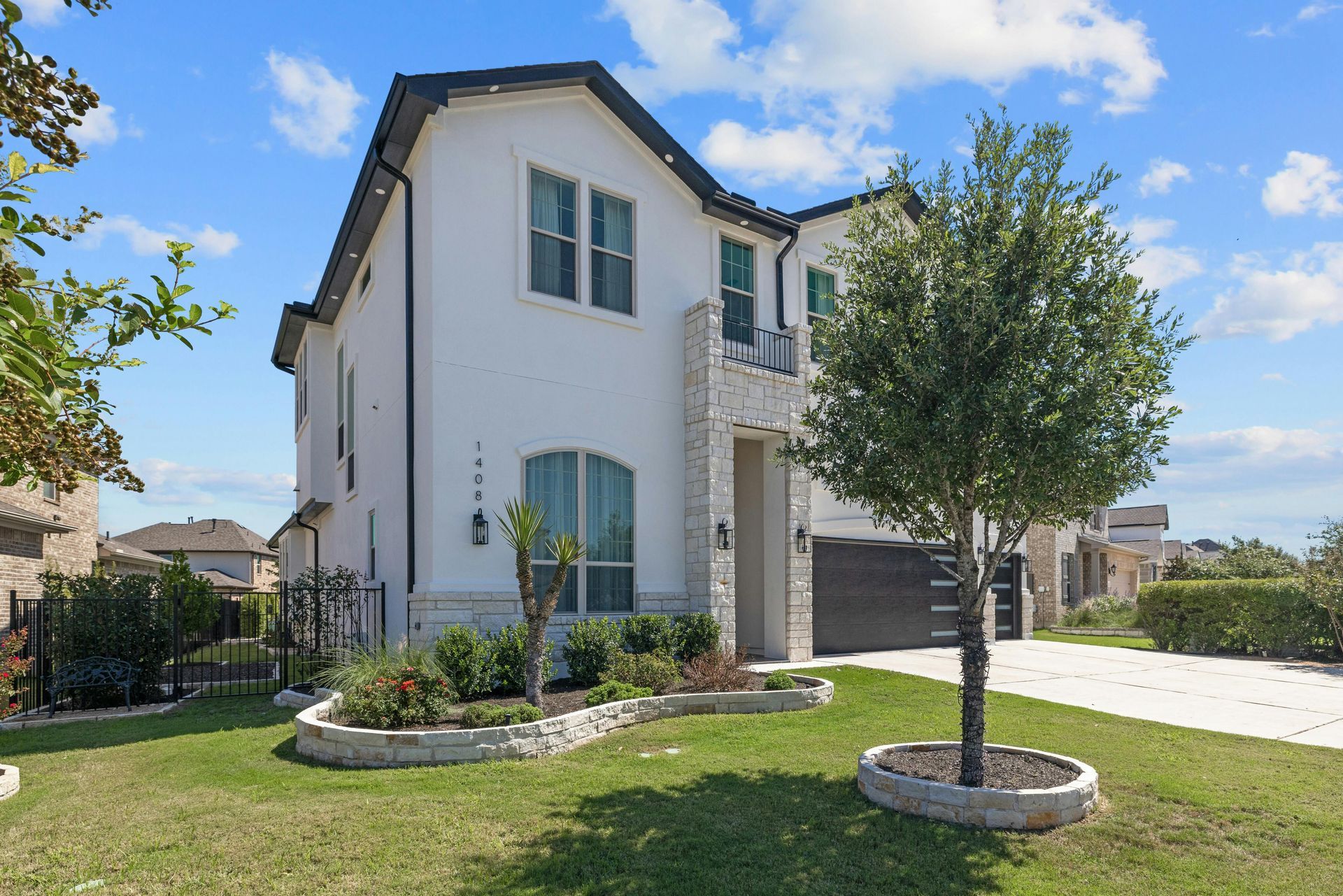
A large white house with a tree in front of it.

Our recent second-floor addition project in Leander showcases how seamlessly new space can blend with existing architecture.

See more on this project here.

Key Considerations When Planning for a Second Floor

A few critical factors to keep in mind during the planning phase for a second story addition:


1. Structural Integrity


Can your current home handle the weight of an additional level? A professional assessment is needed to ensure your foundation and load-bearing walls are strong enough. We bring a licensed Engineer on site during the planning phase to identify any potential issues and remedies, and plan for them during the design phase.
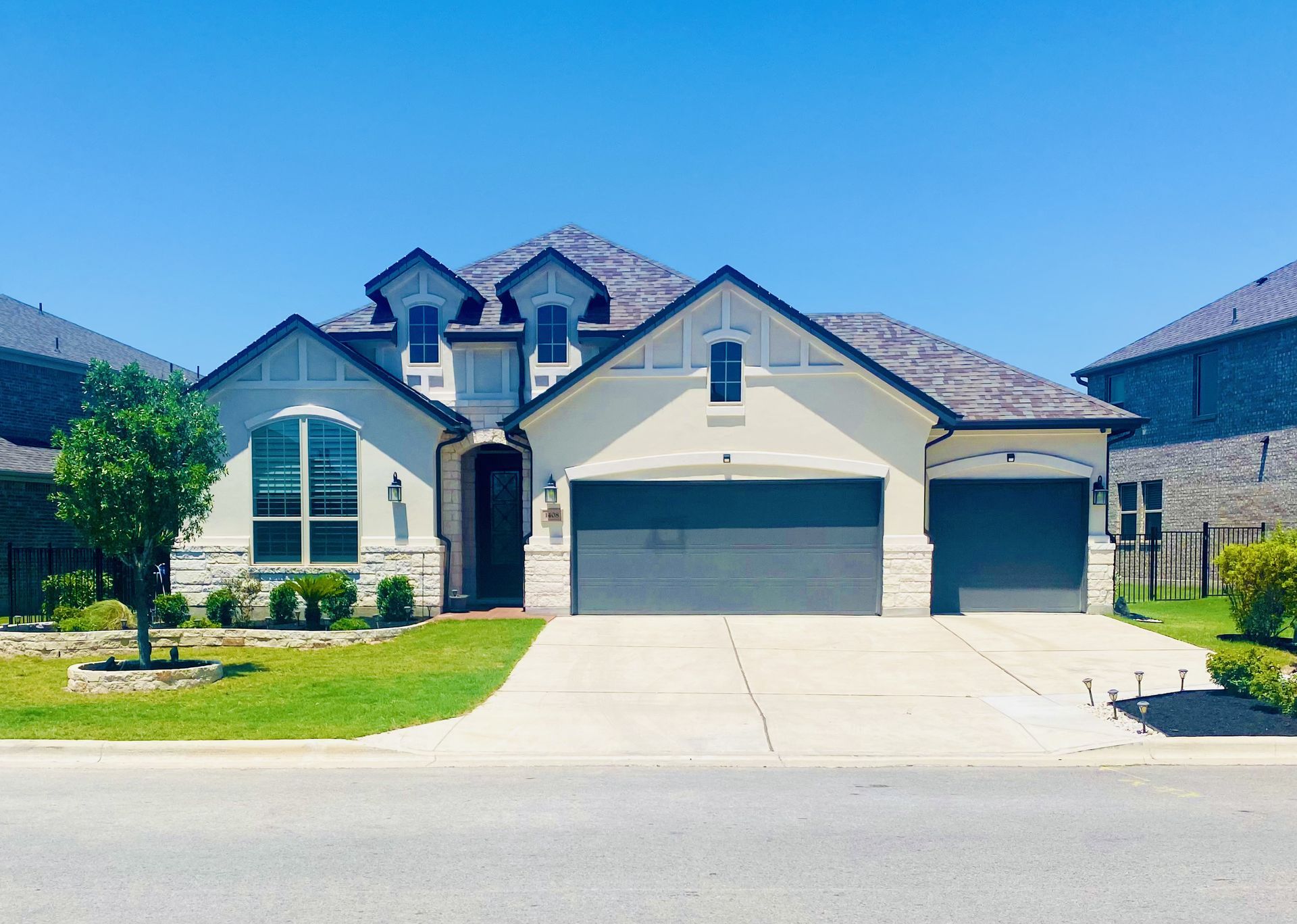
A large white house with a black garage door

BEFORE: We begin every second-story addition with a thorough evaluation of your home’s current structure.

2. Design Harmony


Your second story should look and feel like a natural extension of your home, like it was always there. Our design team works closely with clients to ensure that the new space flows seamlessly with the existing layout, both inside and out. This includes matching exterior materials and architectural details to maintain or improve curb appeal.
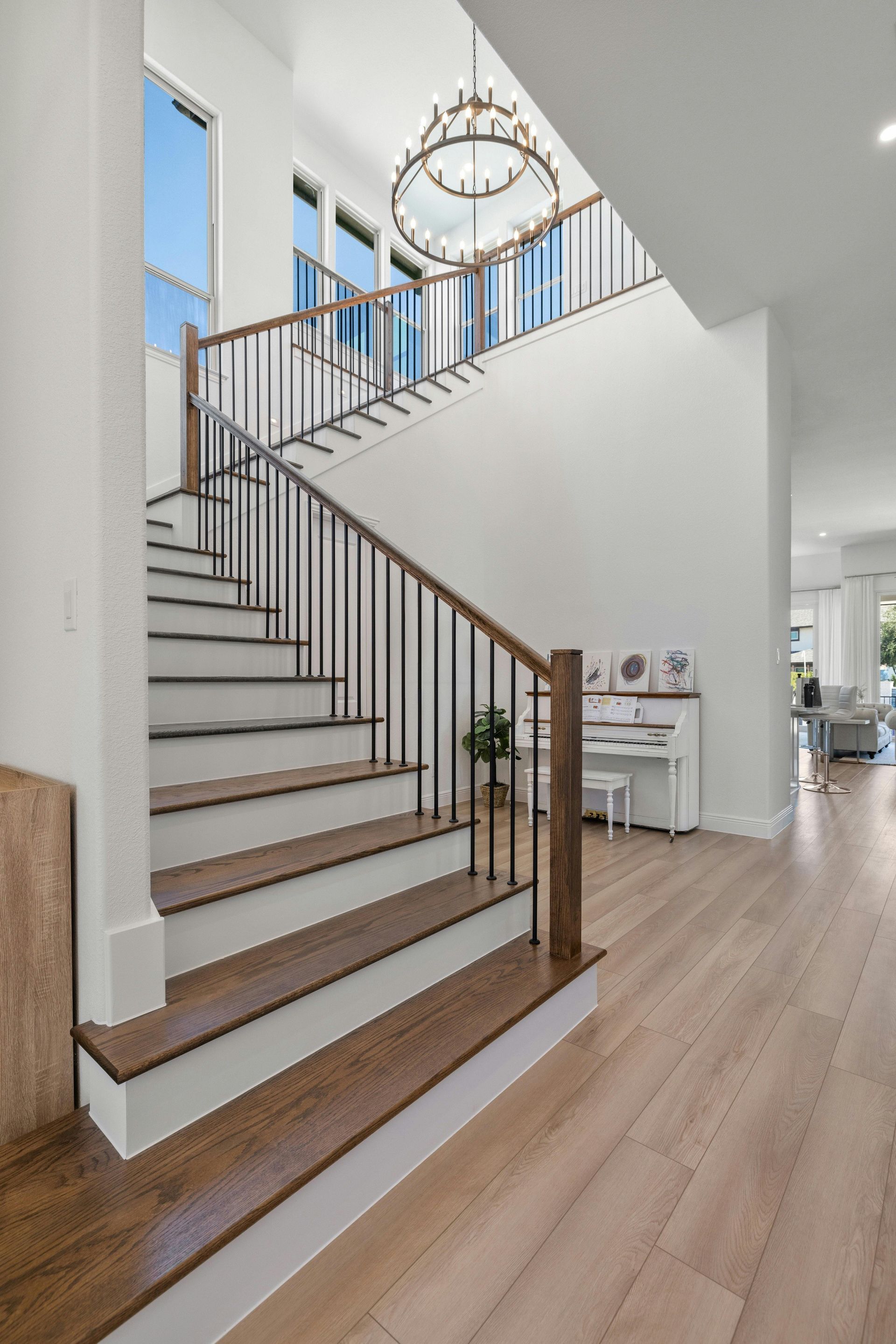
A staircase in a house with wooden steps and a metal railing.

Building up creates opportunities to enlarge home entries and foyers, create beautiful open stairways, lofts, and other grand architectural features not available with a one-story addition.

3. Zoning Laws and Permits


Building codes and local zoning laws play a significant role in determining what’s possible with a second-floor addition. In many Austin and Central Texas areas, there are specific regulations regarding height limits, setbacks, and neighborhood guidelines. At TRS Build, we take care of the entire permitting process. We also provide clients with guidance for working with their local Home Owners Association (HOA) to learn what limits exist, and provide submittals needed for HOA approvals.


4. Budget Considerations


A second-story addition can be a large investment, so having a clear budget is crucial. Our team will provide you with design options and pricing proposals, and work with you to align your budget with your key priorities.


5. Lifestyle Disruption


It’s worth noting that adding a second story can be disruptive, as construction may affect much of the existing living space. And at some point we need to “pop the top,” opening the roof to make way for the new space. We can provide guidance for the period of time you and your family will need to be out of the home, and this needs to be considered in your overall budget for the project. Some of our homeowners have moved into nearby apartments or houses where they can visit the project frequently during construction, some have gone to stay with family, others who have camped out in their RV or planned extended travel during the remodel. Whether near or far, our team will be in touch with real or virtual walk throughs and communication of project status.


Ready to Add More Space to Your Home?


If you’re thinking about adding a second floor to your home in Austin or Central Texas, TRS Build is here to guide you through the entire process—from the initial design to the final punch list and beyond. Our experienced team will help you create the perfect addition that can improve your life while building into your home investment.


Contact us today to schedule a consultation, and let’s bring your vision to life!

By Annemarie Diaz December 29, 2025
As the year winds down, you may be thinking to yourself: “I know I would like to do our remodel project in the coming year… but where do I even start?” If that’s you, you’re not alone. At TRS Build, this is one of the most common questions we hear from homeowners who feel overwhelmed at the idea of remodeling their home, and it’s why we’re making this the second topic in our FAQ blog series. Think of this as your 2026 Remodeling Checklist , a simple, step-by-step way to move from “I’ve been thinking about it” to “We’re really doing this!” Read more below, or scroll to the bottom to download your PDF quick resource sheet ! Step 1: Clarify Your “Why” Before you look at tile samples or start scrolling on Pinterest, get clear on why you want to remodel. Ask yourself: What isn’t working in your home today? What feels too small, too dark, or not functional? What would make everyday life and/or special occasions easier or more enjoyable? What improvements could make you proud to have family and friends over to your home? Some common why's we hear form our clients include: We need more space when parents, children, or grandchildren come to visit I've been working from home for years and need a more private office space I don't enjoy having guests over because my home is outdated and I don't have a nice outdoor area We love our neighborhood, but we hate our kitchen We want to be able to age in place and need all spaces in our home to be easy to access, navigate, and use We want our home to encourage connection with our kids and neighbors Our home is too dark, we wanting to change the overall feel to be lighter, brighter, serene or adventurous Write your reasons down, consider starting a notebook or shared electronic file. Your list could become your north star when making design and budget decisions later. (Note that for couples thinking of embarking on a remodel together - don’t be surprised if you each have a different "why." No worries! We can work with you to find options that ensure everyone’s needs are met.) Step 2: Decide on Spaces and Priorities Next, think about which areas of your home should be addressed first . You don’t have to do everything at once (unless you want to). Common starting points: Kitchen remodel : the heart of the home, and often the space that impacts daily life the most. Primary suite : update your main bedroom + primary bathroom + closet to create a true retreat. Bathrooms : updating dated finishes, improving and/or expanding the layout, getting rid of the rub for a larger walk in shower. Living & dining areas : opening up walls, adding light, improving flow. Home addition : adding square footage for a guest suite, office, playroom, or larger kitchen. Decide: Must-do for 2026 , what can’t wait? Nice-to-have , what could be part of a phase 2 in the future? Having a phased mindset helps you plan realistically without losing sight of the bigger vision. This is another area where having a firm skilled in home design and construction by your side may be just what you need to help you think through options for what can be done in a future phase, and where you can find economies of scope when doing certain aspects of the project together. Step 3: Get Comfortable With a Budget Range You don’t need an exact number right away, but you do need a comfort zone . Think about: How much are you willing to invest in your home in 2026? Would you use using savings, home equity, financing, or other resources? What feels comfortable for you and your family? A design–build firm like TRS Build will help you understand how scope, selections, and structural changes influence your budget. When we talk with homeowners, we walk through: The spaces you want to remodel Whether you’re keeping the same footprint or changing walls The level of finishes you’re hoping for (good, better, best) Throughout our process, our goal is to align your vision, scope, and budget early, and provide the insights and guidance you need to make informed decisions in all of these areas. Step 4: Think About Timing (Life Timing, Not Just Calendar Dates) Remodeling isn’t just about construction schedules, it’s about your life timing. Consider: Do you want the project finished before a big event (graduation, new baby, retirement, holidays, long-term guests)? Are there months when construction would be especially stressful (busy sports seasons, major work deadlines)? Are you hoping to be living in the home during construction , or are you willing and able to be away for all or part of it? Most remodeling projects involve several phases (Discovery/Design/Permitting), several of which need to be completed before the first hammer swings. Together, these Pre-Construction activities will take several months before the work on the ground takes place. Getting started early on Discovery and Design means you’re more likely to hit the timing that matters most to you. Step 5: Gather Inspiration (But Make It Practical) Yes, this is the fun part: saving photos, pinning ideas, and dreaming a little. You can peruse our project galleries for inspiration for your Kitchen or Bath Remodel, Whole Home Transformation , Deck, Patio and Outdoor Kitchen , or new Custom Home or Addition . As you collect inspiration, note: What you like about each image (color palette, layout, cabinetry style, lighting, tile, etc.) How you want the space to feel (cozy, bright, minimal, warm, sophisticated…) Any must-have features (large island with seating, walk-in shower, freestanding tub, built-in storage, mudroom, etc.) What is your overall budget - we work with our clients to help balance inspiration with investment. As you share photos to help us understand what you love, we’ll discuss which elements are budget-friendly and which may require adjustments or alternatives. Some people are able to think through all of these on their own, whereas others really need the help of a Designer to help them define their goals. A good Designer will help you translate what you’re drawn to into realistic, buildable plans that fit with your home’s architecture and your budget. Step 6: Choose the Right Team When starting to reach out to professionals about your project, it is helpful if you can provide: Your goals and “must haves” A list of the spaces you want to remodel or expand A budget range and priorities for the project A sense for the timeline you would like to meet You don’t need all the answers before you reach out to us, we can help you think through, clarify, and specify any of these items as well. Ready to Make 2026 the Year You Love Your Home Again? If you’ve been thinking about remodeling for a while, this might be the sign you’ve been waiting for. Whether you’re dreaming of: A new casita, garage or custom home A brighter, more open kitchen A whole home refresh An addition that finally gives you the space you need Or a spa-like primary bath We at TRS Build are here to walk you through every step, from that very first “Where do I start?” to the moment you walk into your finished space. Contact us and choose from a virtual or in-home consultation today, and let us help you envision your dream home for 2026, and then make it a reality!
By Annemarie Diaz November 14, 2025
Welcome to the first blog in our new Frequently Asked Questions (FAQ) blog series!  One of the first questions many homeowners are thinking of when considering a remodel or home addition is: “How much will my project cost?” It’s a fair question - remodeling requires a financial investment, as well as a temporal and emotional one. At TRS Build, we know that transparency in pricing is essential to building trust and creating a smooth process from the very beginning. With over 10 years of experience remodeling homes in Austin, Georgetown, and across Central Texas , we’ve guided countless homeowners through the budgeting and planning process. This blog will give you a realistic look at what projects typically cost in our area and why TRS Build is the partner you can count on when it’s time to bring your vision to life.
By Annemarie Diaz October 6, 2025
Celebrating 10 years of TRS Build! Trusted remodeling contractor in Austin & Georgetown specializing in kitchens, additions, and whole home renovations.